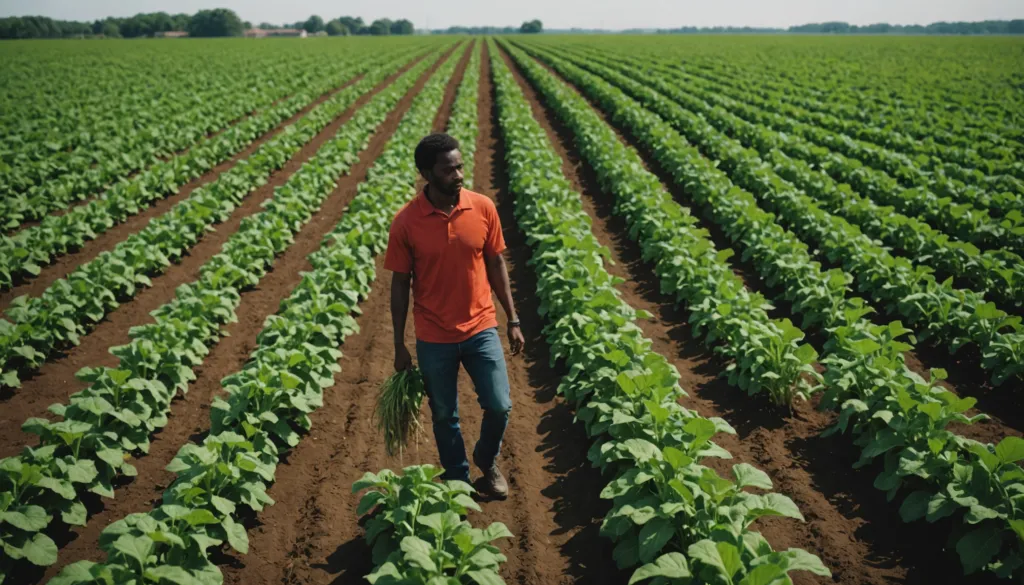
TSRgrow is rolling out a significant expansion of GROWHub, its cultivation management software, adding analytics, energy monitoring, batch-record tools, Metrc integration and Building Management System connectivity ahead of 2026. The update pushes GROWHub beyond its original role as a lighting-control interface into something closer to an operations hub for commercial grow facilities. For multi-room, multi-cultivar operators juggling separate systems for climate, lighting, compliance and energy, that consolidation matters more than it might first appear.
Here's the operational problem TSRgrow is addressing: cultivation teams generate enormous volumes of data - light schedules, environmental logs, energy draw, batch histories - but that data often sits scattered across disconnected platforms, spreadsheets and paper logs. Reconciling all of it at reporting time, or worse, during a state audit, becomes a slog. It's not unlike the fragmentation retail operators face when trying to track sales, tax remittance and inventory across separate systems instead of a unified point-of-sale platform; the parallel isn't exact, but the underlying pain point - data living in silos - is the same across the supply chain, whether you're running a flowering room or a retail counter using something like a compliant cannabis POS in Maine to keep transactions and tax records aligned. compliant cannabis POS in Maine
Why batch records and Metrc integration matter now
Expanded batch-record functionality lets cultivators tie specific lighting recipes, environmental conditions and operational settings to individual crop cycles, then connect that record directly into Metrc for track-and-trace reporting. That's a meaningful shift from manual recordkeeping, where operators reconstruct what happened during a grow cycle after the fact, often from incomplete notes. Regulators increasingly expect traceability that holds up under scrutiny, not approximate reconstructions. As federal rescheduling discussions continue and state programs face pressure to tighten oversight, cultivators with weak documentation practices are the ones most exposed when compliance requirements shift or audits intensify.
Energy monitoring as a business, not just a sustainability, issue
Lighting is typically among the largest operating costs in indoor and greenhouse cultivation, so folding energy consumption data into the same platform as grow performance is a practical move, not a green-marketing gesture. Operators can now see, cycle over cycle, how a given lighting recipe or production schedule affects both yield and the utility bill. That's useful leverage when facilities are negotiating utility rate structures or trying to justify capital spend on infrastructure upgrades to ownership or lenders.

What this means for operators weighing the investment
None of this is free, and centralized platforms carry their own risks - vendor lock-in, integration headaches with existing BMS or POS infrastructure, and the learning curve of retraining cultivation staff on new workflows. Fair enough. But the direction is consistent with where regulated cannabis is heading generally: more documentation, more traceability, more scrutiny of operational data as license renewals and compliance reviews grow stricter. Cultivators who can produce a clean, connected record of how a crop was grown - not just that it passed testing - will have an easier time with regulators, insurers and potential capital partners alike.