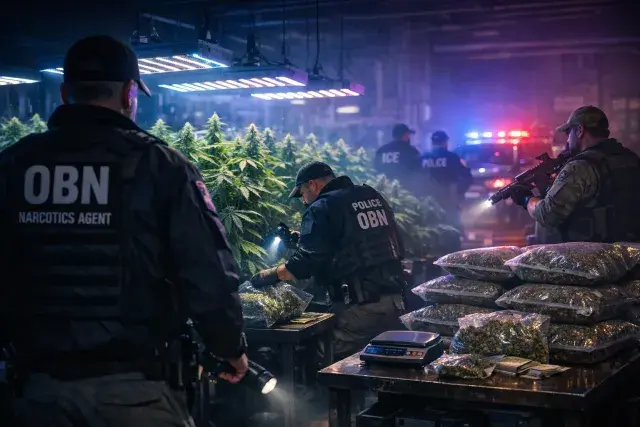

Oklahoma Attorney General Gentner Drummond is asking Republicans to elect him governor Tuesday while chairing the parent company of Blue Sky Bank, an institution whose assets grew from roughly $200 million in 2018 to more than $1.3 billion today, a run that tracks almost exactly with the state's 2018 legalization of medical marijuana. That is not a hidden detail. It sits in FDIC filings and on the bank's own leadership page, where his wife serves as a director and his adult children are listed as advisory directors.
The banking side of the cannabis industry rarely gets the attention that dispensary storefronts or wholesale pricing does, but it is where a lot of the real regulatory tension actually lives. Federal law still treats marijuana as a Schedule I substance for banking purposes in most states, which forces licensed operators toward cash-heavy models, armored pickup services, and workarounds that regulators in other markets are still sorting out. Multi-state operators watching how banks like Blue Sky built cannabis-focused deposit products, or comparing notes on platforms tracking cannabis software sales maine dispensaries use for seed-to-sale compliance, know the banking gap is not theoretical. It shapes everything from payroll to vendor payments to how a dispensary handles its daily till. cannabis software sales maine
What makes this case worth examining is not that a bank built a cannabis banking division. Plenty of banks in legal states have done that, and operators genuinely need somewhere safer than a safe. It is that the man chairing the bank also runs the office deciding which cannabis operators, and which criminal cases generally, get prosecuted or dismissed. Those two roles occupying one person is the kind of appearance problem compliance officers spend careers trying to avoid on far smaller scales.
Why Cash-Heavy Banking Still Defines Cannabis Compliance
Dispensary operators and compliance teams live with this reality daily. Structuring cash deposits to stay under federal reporting thresholds is illegal under the Bank Secrecy Act, whether the cash comes from a cannabis business or any other. Armored transport, "Canna-Direct" style accounts, and multi-state banking networks exist precisely because federal law hasn't caught up with state-legal markets. That gap creates real operational risk for licensees, real due-diligence burden for banks, and real reputational exposure for anyone sitting at the intersection of both. The claims raised here about structured cash and cross-state transport remain unverified allegations, not documented findings, and they should be treated that way until evidence surfaces.
What an Independent Audit Would Actually Resolve
An independent audit of Blue Sky Bank's cannabis-related deposits, paired with Drummond's own testimony, would settle a question voters and regulators alike deserve answered before Tuesday. Either the bank's compliance program holds up to scrutiny, consistent with the anti-money-laundering language in Drummond's own June 2026 statement praising the bank's response to a federal executive order, or it doesn't. Anything short of that leaves Oklahomans deciding on trust alone, days before a runoff, and leaves the broader cannabis banking sector wondering whether one operator's conflicts will define public perception of an industry still fighting for basic financial access.