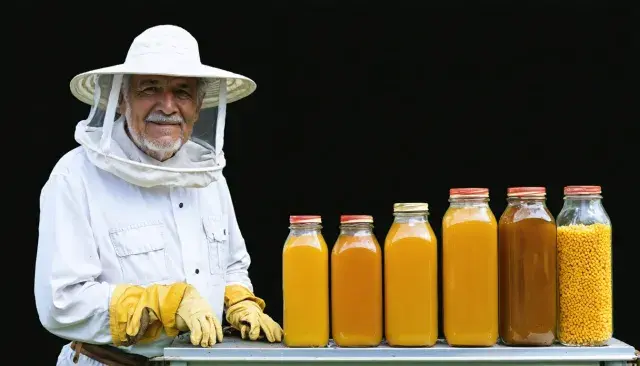
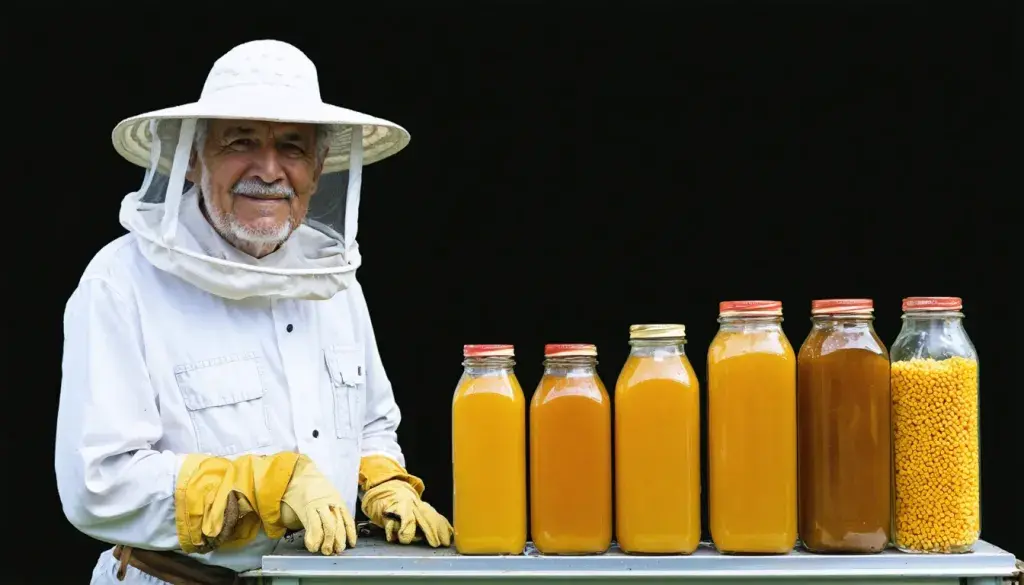
In El Sereno, a vibrant neighborhood in northeast Los Angeles, 100-year-old Victor Jaramillo has been stung by his bees more than a dozen times—yet he shuns protective suits during honey extraction. This fearless routine, rooted in a childhood apprenticeship in Zacatecas, Mexico, underscores a profound human-insect bond that sustains his health, community, and a vital pollination ecosystem.
A Lifelong Bond Forged in Mexico and California
Don Victor, as locals affectionately call him, learned beekeeping at age 3 from his father and grandfather. Arriving in northern California in 1946, he later settled in El Sereno, opening a modest honey stand at 5236 S. Huntington Dr. nearly five decades ago. His setup—a simple sign and metal table stocked with jars of honey, royal jelly, and pollen—draws customers via word-of-mouth, no social media required.
- Stand hours: Monday to Saturday, 9 a.m. to 5 p.m.
- Accessible via Metro Line 78 to Huntington/Lifur stop.
- Customers hail from Pasadena, Lincoln Heights, Alhambra, and Pomona.
At his June 28 centennial celebration, surrounded by family and friends, don Victor embodied resilience, having survived COVID-19 and tumor surgery while relying on a cane he often discards.
The Intricate World of Honey Production
Guided by son John, the Jaramillos reveal beekeeping's nuances. Bees collect nectar in a specialized crop stomach, passing it mouth-to-mouth to enzyme-transform it into honey, then sealing it in wax-capped honeycombs. A thriving hive hosts up to 60,000 bees.
- Worker bees (all female): Labor tirelessly for up to four months.
- Drones (males): Exist solely for mating.
- Queen bee: Lays 1,500–2,000 eggs daily, living up to five years.
Harvesting yields up to 50 pounds weekly, but care is constant—checking for pests like ants and wax moths, supplementing vitamins during California's droughts when flowers wither.
Honey's Healing Power and Bee Conservation
Don Victor credits daily honey intake—no added sugar—for his vitality, aligning with its renowned antibacterial, antioxidant, and anti-inflammatory properties that support immunity and wound healing. Bees' stings, fatal to the insect due to their barbed harpoon-like stingers, pose minimal risk to this seasoned keeper who views them as "daughters."
Amid climate threats, the Jaramillos urge protection for these pollinators, whose work enables one-third of human food via crops like nuts, fruits, and vegetables. Global warming exacerbates droughts, starving bees and disrupting ecosystems—a call to action for sustainable practices in urban beekeeping.
Don Victor's story inspires: in an era of fleeting trends, authentic, hands-on traditions foster longevity, community ties, and environmental stewardship.