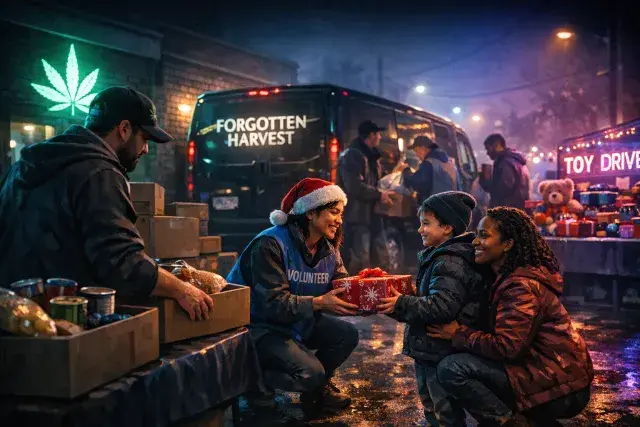
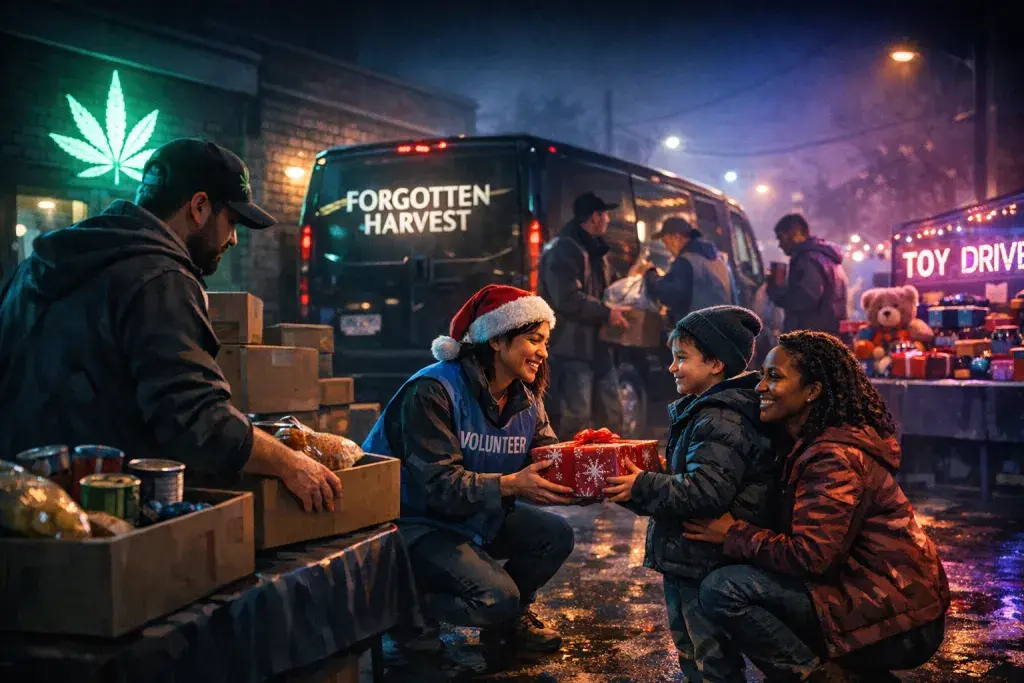
Recreational cannabis businesses forge alliances with nonprofits such as Forgotten Harvest and Bottomless Toy Chest to deliver food and toys to those in need during the holidays. These partnerships channel industry resources toward community support, addressing immediate hardships amid rising living costs. The efforts highlight a shift in how legalized cannabis operators contribute to social welfare.
Roots in Cannabis Legalization and Philanthropy
Since states began legalizing recreational cannabis over the past decade, the industry has grown into a multibillion-dollar sector with dispensaries, growers, and processors operating openly. Companies now direct portions of their profits toward local causes, a practice that echoes corporate social responsibility in other mature industries like alcohol and tobacco. Forgotten Harvest, a food rescue organization, recovers surplus groceries to distribute to food-insecure households, while Bottomless Toy Chest collects and provides new toys to children in low-income families. These collaborations allow cannabis firms to support nonprofits that align with holiday giving traditions without direct product involvement.
Addressing Holiday Hardships Through Targeted Aid
Holidays amplify financial pressures for many families, with food prices and gift expectations straining budgets. Cannabis businesses step in by sponsoring drives, matching donations, or hosting collection events at their locations. Such initiatives provide practical relief: recovered produce and pantry staples from Forgotten Harvest feed thousands weekly, and toy distributions from Bottomless Toy Chest ensure children experience joy despite economic challenges. This model builds on the nonprofits' established networks, amplifying their reach during peak demand periods.
Broader Implications for Industry Image and Community Ties
These partnerships reshape public perceptions of the cannabis sector, once stigmatized but now positioning itself as a community pillar. By focusing on universal needs like hunger and child welfare, companies foster goodwill and strengthen local bonds, potentially easing regulatory tensions in conservative areas. The approach carries forward a trend where legalized industries invest in societal good, from environmental cleanups to youth programs. As holiday campaigns conclude, sustained involvement could deepen these impacts, signaling long-term commitment beyond seasonal gestures.