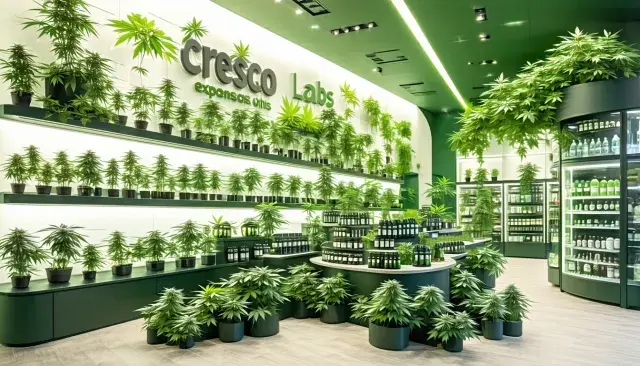
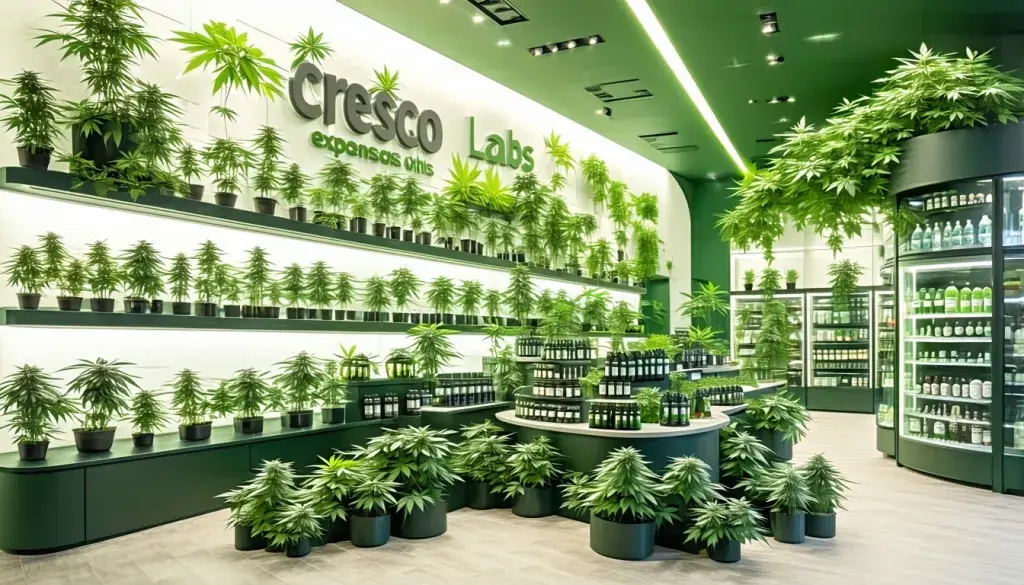
Cresco Labs has opened a Sunnyside dispensary in Proctorville, Ohio - its sixth location in the state and 71st nationwide - planting a licensed retail presence in a rural southern Ohio market where no other dispensary operates within 45 miles. The opening, announced by CEO Charlie Bachtell, is the first of three Ohio dispensaries the Chicago-based multi-state operator plans to open over the coming months, a deliberate push to deepen its position in a state where it already holds the top retail market share ranking.
Why Proctorville - And What Geographic Isolation Means for Retail Strategy
The store's location at 200 State St. in downtown Proctorville isn't an accident. Being the only dispensary within a 45-mile radius is a retail asset that most operators spend considerable energy trying to manufacture through licensing strategy, zoning review, and market analysis. In a regulated industry where license caps and local opt-out provisions can limit where stores are even permitted to open, landing in a genuine geographic void - rather than clustering in a saturated urban market - tends to produce predictable efficiencies: lower real estate costs, reduced competitive pressure on pricing, and a captive local consumer base that has no practical alternative within a reasonable drive.
That said, rural dispensary economics aren't without friction. Lower population density means a smaller addressable customer base, and operators in these markets often depend more heavily on destination traffic - customers driving longer distances specifically because no closer option exists - than on the repeat walk-in volume that anchors urban stores. Inventory planning looks different here, too. A rural POS is managing a tighter SKU mix against a demand curve that's harder to model in early months, which puts real pressure on wholesale menu decisions and replenishment timing.
Bachtell's "Organic Growth" Framing Deserves a Closer Look
Bachtell described the Proctorville opening as "organic growth" in a market where Cresco holds the number-one retail market share position. That framing is specific - and intentional. In multi-state operator (MSO) reporting, organic growth refers to expansion through new store openings and same-store performance rather than through mergers, acquisitions, or license purchases. For investors and analysts watching a company's capital allocation strategy, the distinction matters. Building out a dispensary network through new openings in a state you already dominate is a structurally cheaper path than acquiring competing operators or bidding on high-price license transfers.
Cresco's vertical integration in Ohio - holding both branded wholesale product positions and retail storefronts - gives the company a supply chain lever that independent dispensaries simply don't have. When Cresco opens a new Sunnyside location, it can populate that store's budroom inventory with its own branded product, managing wholesale margin at the intra-company level rather than negotiating it across the open market. Whether that's the right long-term strategy depends on how Ohio's adult-use or medical market structure evolves, but as a near-term operating model, it compresses some of the cost variability that independent retailers face every replenishment cycle.
Local Government Posture - What the Mayor's Statement Actually Signals
Proctorville Mayor Bill Elliott's public endorsement - specifically citing job creation, street improvements, public safety funding, and parks - is the kind of municipal statement that cannabis operators have spent years working to earn, and it reflects a broader shift in how small-town governments in legal states have come to view licensed dispensaries.
The revenue dimension is worth understanding on its own terms. Ohio's cannabis tax structure directs a portion of cannabis excise revenue to local jurisdictions, meaning a municipality that opts in to permitting dispensaries can expect a measurable increase in its tax receipts as store volumes grow. For a small community like Proctorville, a single high-traffic dispensary can represent a meaningful budget line - not a windfall, but a real and recurring revenue stream that funds the kinds of civic improvements Elliott named. That's a different conversation than the one most Ohio municipalities were having just a few years ago, when local opt-outs were common and political resistance to licensed cannabis retail was the default posture in smaller markets.
Compliance and Consumer Safety in a New Market
Opening in a market with no nearby licensed competitors also means Sunnyside Proctorville will serve some customers who are purchasing from a licensed dispensary for the first time - transitioning from unlicensed sources or simply accessing legal cannabis for the first time now that a compliant option is within reach. That dynamic puts operational emphasis on responsible retailing practices: rigorous age verification at point-of-sale, compliant packaging that meets Ohio's labeling and child-resistance requirements, and clear product information that helps first-time dispensary customers understand what they're purchasing.
Ohio maintains seed-to-sale tracking requirements that licensed dispensaries must satisfy, and all products sold through licensed retail channels are required to carry a certificate of analysis (COA) confirming third-party lab testing for potency and contaminants. For an MSO opening a new location, those compliance systems should transfer cleanly from existing Ohio stores - but the first weeks of operations in any new market tend to surface process gaps that weren't visible in the controlled environment of a more established store. Staff training, inventory receiving protocols, and METRC reconciliation all require attention when a new location comes online, regardless of how experienced the operator is at the corporate level.
The Proctorville store operates seven days a week, 9 a.m. to 9 p.m. For a rural market, those hours signal a commitment to accessibility - and represent a staffing and operational cost that the store will need to justify through volume. Whether that volume materializes on the timeline Cresco is projecting depends on factors no retail model fully controls: consumer awareness, local purchasing behavior, and how quickly a new dispensary earns the routine of a market it's introducing itself to for the first time.