A coalition fighting Question 8, the ballot measure that would repeal Massachusetts' adult-use cannabis law, has picked up endorsements from nearly a dozen social justice organizations, including ACLU Massachusetts. That brings the opposition roster to a notable mix: more than 60 state legislators, Senate President Karen Spilka, House Speaker Ronald Mariano, public health officials, law enforcement representatives, and licensed small business owners. For an industry still working through license approvals and compliance buildouts, the coalition's breadth signals how much is riding on this vote beyond the cannabis sector itself.
Why Civil Rights Groups Are Weighing In
The organizations backing the No on 8 campaign - among them Progressive Massachusetts, the Black Economic Council of Massachusetts, the Mass Reentry Coalition, the Massachusetts Cannabis Equity Council and the Urban League of Eastern Massachusetts - are not cannabis trade groups. They're civil rights, reentry, and economic development organizations, and their involvement reframes the repeal fight as a criminal justice question as much as a retail one. ACLU Massachusetts Executive Director Carol Rose put it plainly: pre-legalization enforcement data showed Black residents arrested for marijuana sales at a rate more than seven times that of white residents. Even after legalization, Hispanic and Latino respondents reported prior cannabis-related arrests at three times the rate of non-Hispanic, non-Latino respondents. That disparity is the throughline connecting this coalition - the concern isn't abstract policy nostalgia, it's a record of uneven enforcement that a repeal could reopen.
The Social Equity Infrastructure at Stake
Massachusetts built its adult-use framework around a social equity program designed to steer licensing opportunities, training, and financial grants toward communities disproportionately affected by prohibition-era enforcement. Repeal wouldn't just shutter storefronts - it would dismantle that regulatory scaffolding entirely, including the Marijuana Regulation Fund that channels tax revenue back into municipalities, public health programs, and law enforcement oversight. Equity license holders who navigated a lengthy and often expensive licensing process, built compliant packaging and labeling systems, and integrated into the state's seed-to-sale tracking requirements would lose that investment outright. Armani White, co-owner of Firehouse dispensary, framed it as a bait-and-switch: the state encouraged people harmed by prohibition to become entrepreneurs, then a repeal would pull the license out from under them just as those businesses stabilize.
Economic Numbers Operators Are Watching
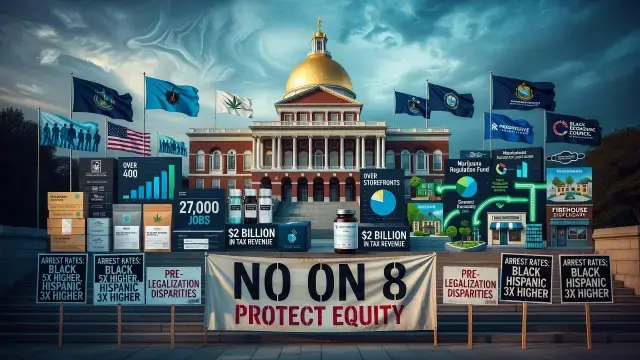
The campaign points to a decade of market growth - over 400 storefronts, more than 27,000 jobs, and north of $2 billion in cumulative tax revenue - as evidence the regulated model works better than the alternative. Whatever one makes of those figures, the operational reality for license holders is straightforward: a functioning regulated market means lab-tested products with verified COAs, point-of-sale systems built for compliance logging, and a wholesale supply chain that's traceable from cultivator to retail shelf. Reverting to an unregulated market, as several coalition members noted, doesn't eliminate demand - it just strips out testing, age verification, and the oversight that keeps consumer-facing product safety intact. For dispensary operators and their suppliers, that's the practical stake behind the political argument: not whether cannabis sales continue, but whether they continue inside a system with accountability built in.
What Comes Next
The coalition behind No on 8 is still expanding, drawing in labor organizations, cannabis business owners, and regional advocates alongside the social justice groups now on board. Opponents have also flagged the measure's financial backing as coming from outside Massachusetts, a detail several endorsers highlighted as relevant to how voters should weigh the campaign's motives. Whatever the outcome, the vote will test whether a decade-old regulatory bargain - legal access paired with equity remediation and public revenue - holds up against a repeal effort, or whether voters decide the tradeoffs no longer justify the current structure.