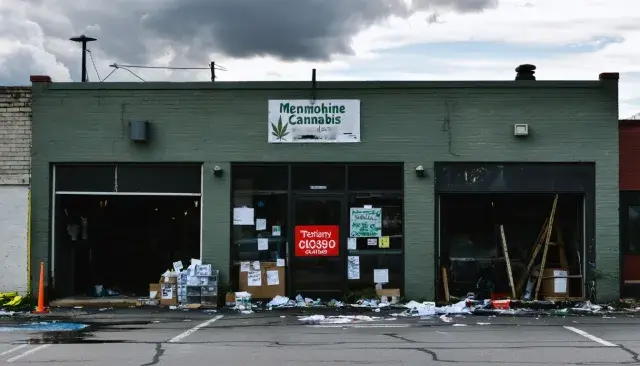
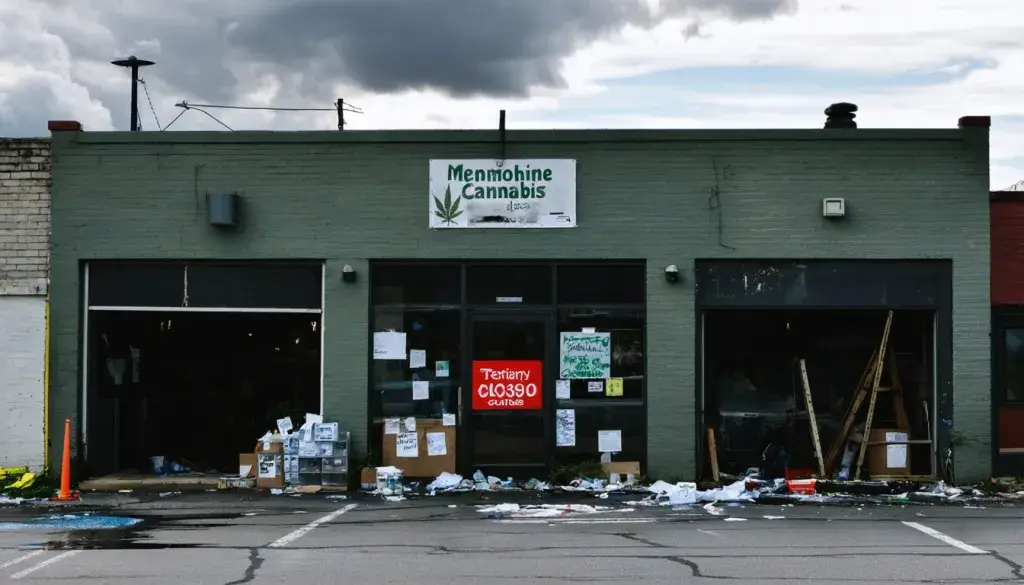
In Menominee, Michigan, a judge's temporary restraining order last Friday closed three cannabis dispensaries—Higher Love, Nirvana Center, and Lume Cannabis Company—sparking a fierce legal clash with the two remaining shops, Rize and The Fire Station. This shutdown disrupts local jobs and commerce in a town drawing heavy cross-border traffic from Wisconsin, highlighting regulatory pitfalls in Michigan's booming post-2019 marijuana market.
The Shutdown and Key Players
The court order stems from lawsuits by Rize and The Fire Station, alleging the city violated Michigan's open meetings law when passing a new ordinance that expanded retail permits. This leveled the field for the three now-closed competitors, who had sued after losing initial 2021 licenses.
- Closed dispensaries: Higher Love, Nirvana Center, Lume Cannabis Company—impacting over 70 Lume employees alone, many now filing for unemployment.
- Open dispensaries: Rize and The Fire Station, seeing immediate customer surges with lines of 20 cars each.
Local observers like Angela Belling lament the loss of her preferred shop, while James Nyland calls the five-shop density in a 12,000-person town "ridiculous," signaling market oversaturation.
Background: From Legalization to Local Turf Wars
Michigan's 2019 recreational marijuana legalization fueled rapid expansion, especially in border communities like Menominee, where Wisconsin drivers create lucrative demand—Lume once drew 40 cars deep upon opening. The city initially granted permits to just two shops in 2021, prompting lawsuits and a council overhaul that uncapped licenses. Critics argue this bypassed transparency rules, favoring late entrants who invested less upfront.
Attorneys for Rize note they "spent more" to secure original licenses, while the city and shuttered shops counter that fair competition demands compliance with evolving ordinances.
Economic Impacts and Broader Cannabis Trends
These closures expose vulnerabilities in small-town cannabis economies: job losses ripple through communities, with at least 15 affected at Higher Love alone. Nationally, legalized markets often see initial booms followed by consolidation, as oversupply—five shops for 12,000 residents—drives cutthroat battles over slim margins.
Menominee's saga mirrors trends in states like Illinois and Missouri, where regulatory flip-flops and open meetings disputes delay growth, erode trust, and shift revenue to compliant players. Customers adapt quickly, boosting survivors, but prolonged uncertainty risks stifling innovation and tax revenue essential for municipal budgets.
Outlook: Awaiting Court Clarity
A hearing next week could dissolve the order or extend closures until a new ordinance passes. As attorneys clash—Rize seeking enforcement equity, Lume pushing rapid reopening—this case underscores the need for stable, transparent rules to harness marijuana's economic promise without favoritism. For Menominee, balancing competition with compliance will shape its role in the $3 billion-plus Michigan cannabis industry.