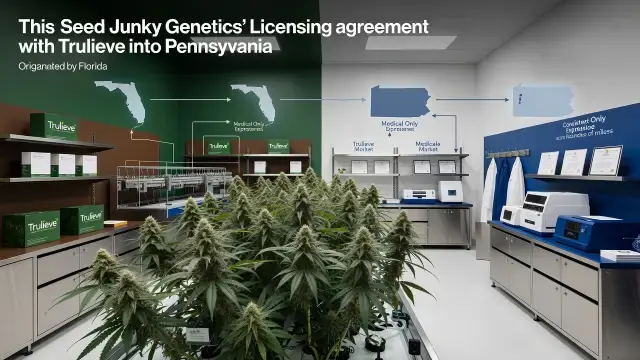
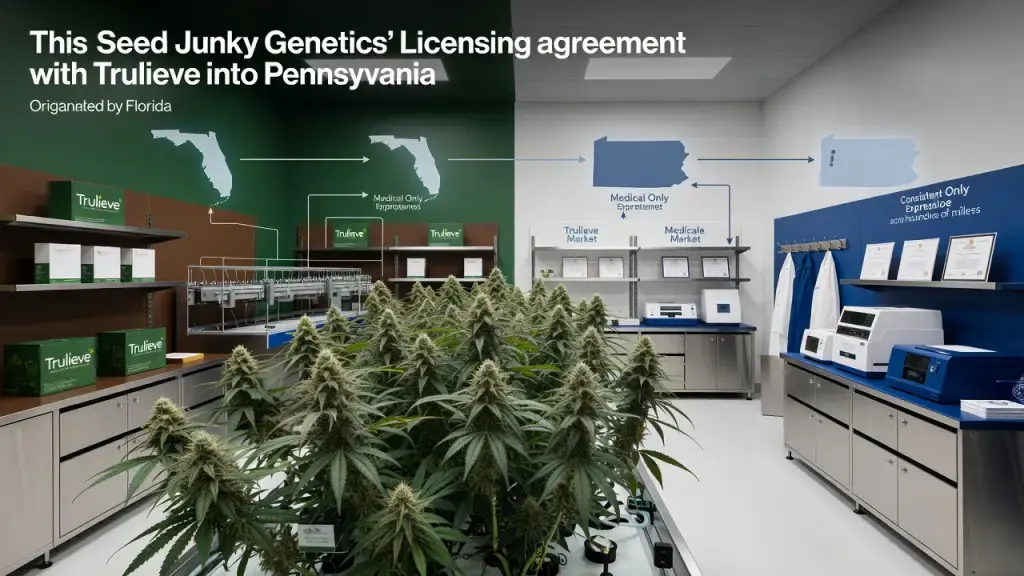
Seed Junky Genetics is widening its footprint in regulated cannabis through a new licensing agreement with Trulieve, one of the largest multistate operators in the country. The deal extends a relationship that started in Florida and now pushes into Pennsylvania, with Seed Junky also returning as a standalone brand in the Florida market. For an industry where genetics licensing deals often collapse under the weight of inconsistent execution, this one is notable mainly for its restraint.
Why Genetics Licensing Is Harder Than It Looks
Licensing cannabis genetics sounds simple on paper: a breeder hands over cultivars, a cultivator grows them, a brand gets sold. In practice, though, it's an operational minefield. Phenotype drift, inconsistent nutrient regimens, and differing cultivation facility conditions can all alter the finished product enough that a licensed strain in one state tastes, tests, and performs nothing like its counterpart elsewhere. That's the quiet risk every genetics company takes when it signs a multistate deal - the brand name travels faster than the quality control does.
Seed Junky's approach has been to limit how many operators carry its name at all. Rather than stacking licensing agreements across every legal market, the company has built its reputation on a short list of partners with proven cultivation infrastructure. Trulieve's scale - cultivation, processing, packaging, and distribution all under one roof - gives Seed Junky a level of operational control that smaller or newer operators typically can't offer.
What It Means for Trulieve's Shelf Strategy
For Trulieve, the agreement adds a recognizable genetics brand to its wholesale menu and dispensary shelves in two states with very different regulatory postures. Florida remains a medical-only market with vertically integrated licensing and tight advertising restrictions. Pennsylvania, also medical, operates under its own packaging, labeling, and testing requirements, with cultivators and dispensaries subject to state-specific compliance logs and seed-to-sale tracking obligations. Introducing a licensed genetics brand into both markets simultaneously requires separate compliance documentation, batch testing protocols, and COA management for each jurisdiction - there's no shortcut that lets a single SKU sheet govern both states.
That operational lift is exactly where multistate operators either justify their scale or expose its limits. Trulieve's existing cultivation and distribution network in both states gives it a head start, but maintaining consistent cultivation methodology across facilities hundreds of miles apart is still a logistics question, not just a branding one.
The Bigger Pattern in Genetics Partnerships
What's striking here is the deliberate pacing. Seed Junky has resisted the broad licensing sprawl that some genetics companies pursued during the last wave of multistate expansion, when brand proliferation often outran quality control and left operators managing inconsistent product lines under a single name. That strategy carried real consumer-trust risk: a buyer expecting a specific genetic profile who instead gets inconsistent potency or flavor between states has every reason to question the brand's reliability.
For dispensary operators and wholesale buyers, deals like this one are worth watching less for the brand name and more for what they signal about vetting standards. A genetics company willing to limit its own expansion in favor of operational fit is, in effect, making a statement about which multistate operators it considers capable of consistent execution - information that matters to anyone building a wholesale menu or evaluating a new supplier relationship.
None of this changes the baseline consumer-safety expectations that apply regardless of brand pedigree: products must clear state-mandated lab testing, carry compliant packaging and labeling, and remain restricted to age-verified, licensed retail channels. A respected genetics name doesn't substitute for a current COA or proper batch documentation, and operators should treat it as one data point among several in sourcing decisions.