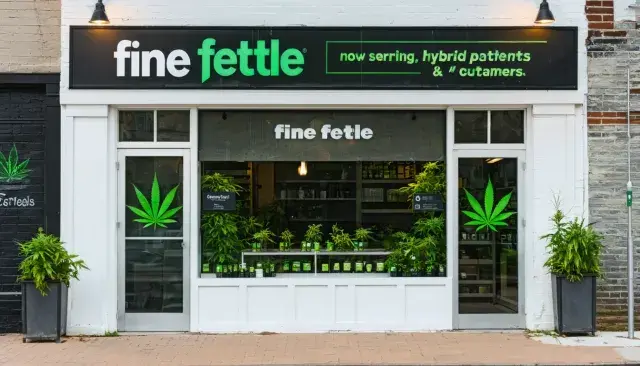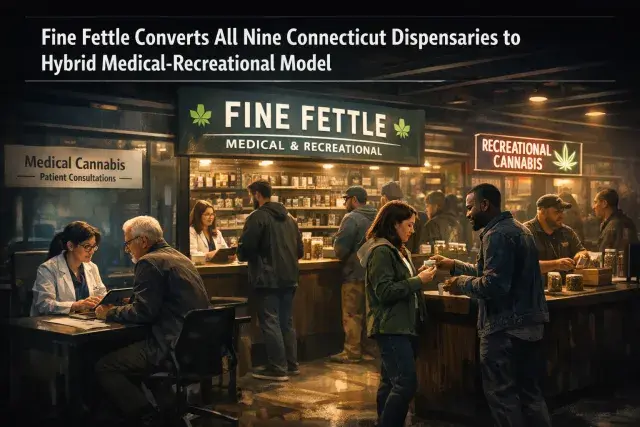
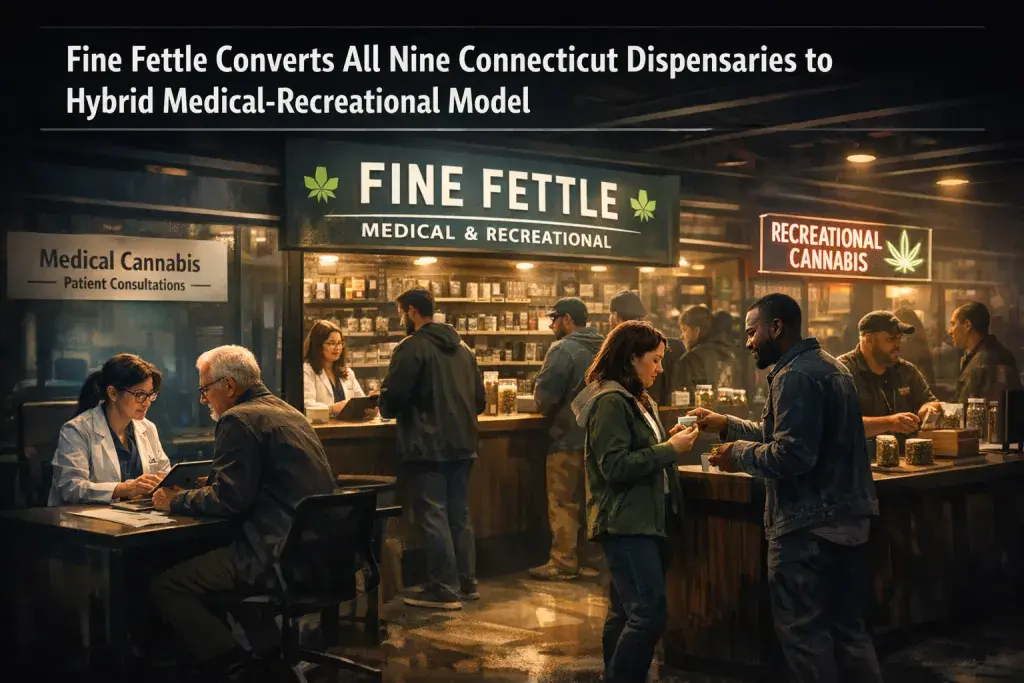
All nine Fine Fettle cannabis dispensaries in Connecticut will shift to hybrid operations starting Thursday, January 15, accommodating both medical patients and adult-use customers. This move stems from recent state regulatory updates that permit such conversions, aiming to boost patient access and streamline business efficiency. Operators expect the change to address gaps in medical cannabis availability without undermining the program's core protections.
Regulatory Shift Enables Broader Access
Connecticut's cannabis landscape has evolved since voters approved recreational sales in 2021, following medical marijuana legalization in 2012. Initial rules kept medical and adult-use markets separate to prioritize patients with qualifying conditions, such as chronic pain or epilepsy. New legislation now allows qualified retailers like Fine Fettle to serve both groups, reflecting a policy push for integration amid growing demand.
Benjamin Zachs, the company's chief operating officer, emphasized the dual benefits. "This change allows us to continue fulfilling our mission of accessible, compassionate care while strengthening the state’s medical program," he said. The conversion applies to locations in Manchester, Norwalk, Old Saybrook, Waterbury, and West Hartford, among others, each maintaining consultations with licensed pharmacists—a requirement that preserves medical program standards.
Addressing Access Gaps in Underserved Areas
Fine Fettle's expansion targets regions where medical patients face limited options, often requiring long drives to dedicated facilities. Hybrid models promise shorter travel times and consistent supply, particularly for specialized products tailored to therapeutic needs. Zachs noted, "In many regions where we operate, there have not been options for medical patients to increase access. We’re changing that."
Patients retain key safeguards, including remote and in-person pharmacist consultations, which ensure personalized recommendations based on medical history. This setup balances efficiency with equity, as Zachs described: "Patients shouldn’t have to travel far for care or be stuck with limited options." The company credited the state legislature and Department of Consumer Protection for facilitating the transition.
Implications for Connecticut's Cannabis Market
These conversions signal a maturing market where medical and recreational sectors converge, potentially stabilizing supply chains strained by rapid adult-use growth. More hybrid outlets could enhance competition, lower prices, and expand product variety, while sustaining revenue to fund medical program expansions. Risks include potential strains on staffing or inventory during the switch, though Fine Fettle's established footprint positions it well.
Broader trends point to similar shifts nationwide, as states refine dual-market rules to maximize public health benefits and economic gains. Connecticut's approach prioritizes patient continuity, setting a model for others navigating post-legalization challenges.